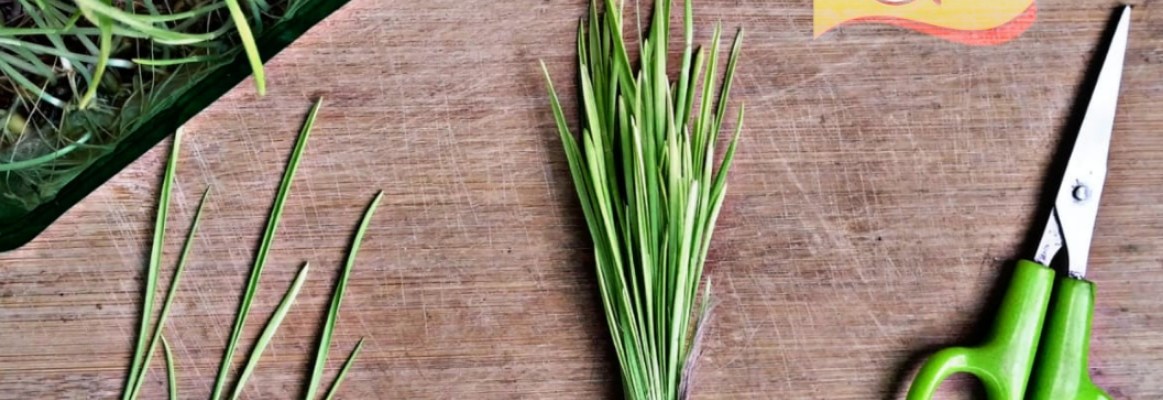
We live in a world where there is a constant need for everyone to remain fit and stay healthy. Everyone is currently trying to adapt to so many habits like clean eating or healthy eating habits to take care of themselves.
In this blog post, we have one such health fix for you. We will be taking you through the process of sprouting wheat and growing your own batch of Wheatgrass at home.
WHAT IS WHEATGRASS?
Wheatgrass is the sprouted portion of the wheat plant. Unlike wheat, Wheatgrass is gluten-free and, as its name denotes, resembles grass. It is found in both wild and cultivated environments. Wheatgrass contains vitamins and minerals.
It is generally said that a young shoot that has just sprung up is a powerhouse of energy and essential nutrients. The young shoot or first foliage of the Wheat grass is what holds a high nutrition value.
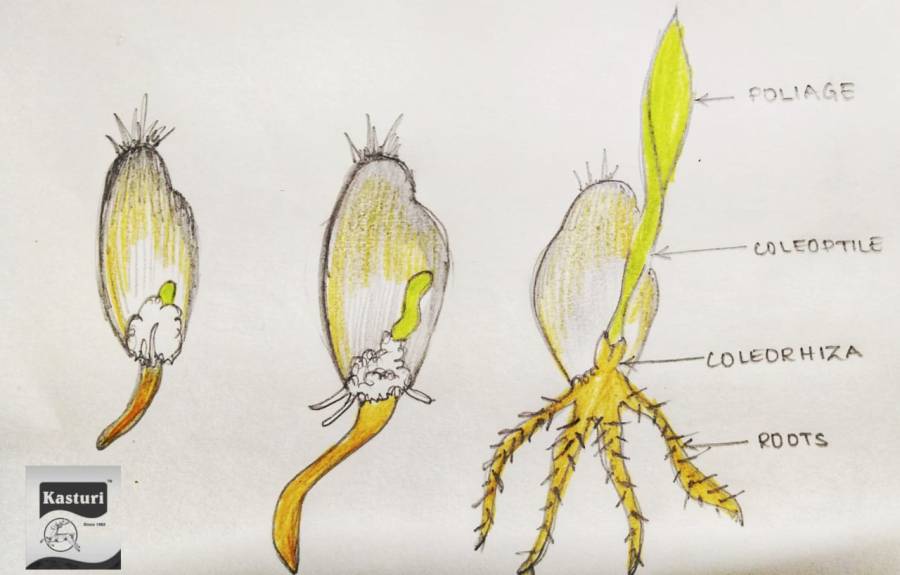
HOW TO GROW WHEAT GRASS AT HOME:
- Take a fist full of wheat grass and wash it well.
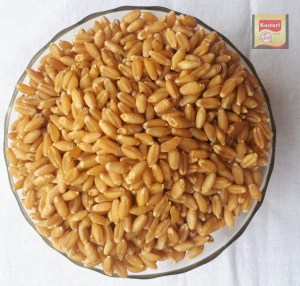
- Take a old plastic box (preferably ones you get with mushrooms from market or any plastic carton) make small holes and place a kitchen tissue paper. Wet it thoroughly and spread the washed wheat evenly.
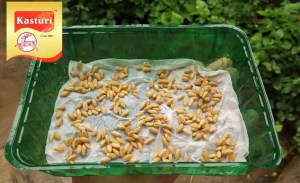
- Place it in a dark room.
- Take it out twice everyday sprinkle some water.
- Expose to morning sun for an hour and keep it back in.
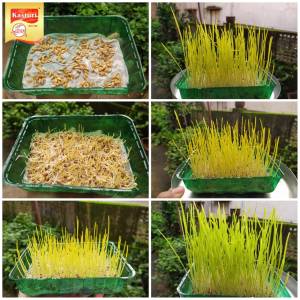
- Repeat this for a week
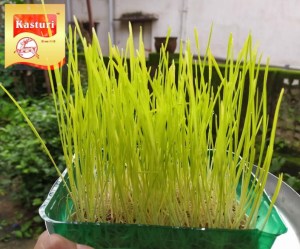
Check out our lapse video on Instagram reels to grow Wheat grass in just 7 days!!
TIME LAPSE TO GROW WHEAT GRASS
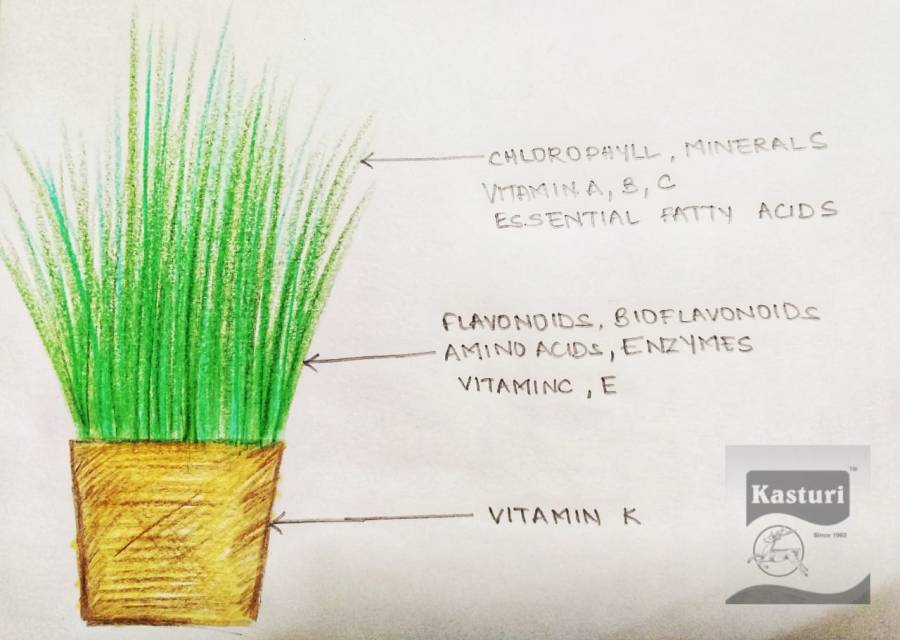
NUTRITION CONTENT OF WHEAT GRASS:
- Wheatgrass provides a range of vitamins and minerals, while imposing very few calories. The low calorie content and impressive nutrient profile of Wheatgrass makes it an efficient food choice for anyone pursuing a healthy lifestyle.The most prevalent vitamin in Wheat grass is Pantothenic acid, or B-5.
- It has many roles in the body, including breaking down and converting fats and carbohydrates into energy, maintaining digestive health, and assisting in the production of red blood cells and hormones.
- Iron, zinc, magnesium, potassium, phosphorus, calcium, sodium and selenium are all present in Wheatgrass in at least trace amounts. Magnesium helps oxygenate blood and keep energy levels high while Potassium helps maintain the body’s water and electrolyte levels while also protecting heart health.
- Wheatgrass is also used as a dietary supplement typically taken to boost nutrient intake. While it won’t help you lose weight, the low-calorie supplement won’t sabotage your efforts, either.
- Wheatgrass juice is said to have antioxidant properties, which means it may help you fight cell damage by free radicals and lower your risk of chronic diseases such as heart disease and cancer.
USES OF WHEAT GRASS:
1. Facilitates digestion – as they contain certain alkaline minerals that provide relief from ulcers, constipation and diarrhoea.
2. Reduces cravings -Loaded with nutrients, Wheatgrass ensures that your body doesn’t crave food items to compensate for lack of vitamins or minerals, and prevents overeating.
3. Helps detox – The cleansing properties of Wheatgrass detoxify the bloodstream, liver and colon, and enhances strength of cells.
4. Improves immunity – Wheatgrass helps increase the count of red blood cells thereby increasing the body’s immune response.
5 . May work against diabetes – The fiber present in heatgrass regulates absorption of cholesterol and sugar, helping control blood sugar levels.
HOW TO USE WHEAT GRASS:
You can make a juice or a powder of the Wheat Grass and top up your dishes or smoothies with it.
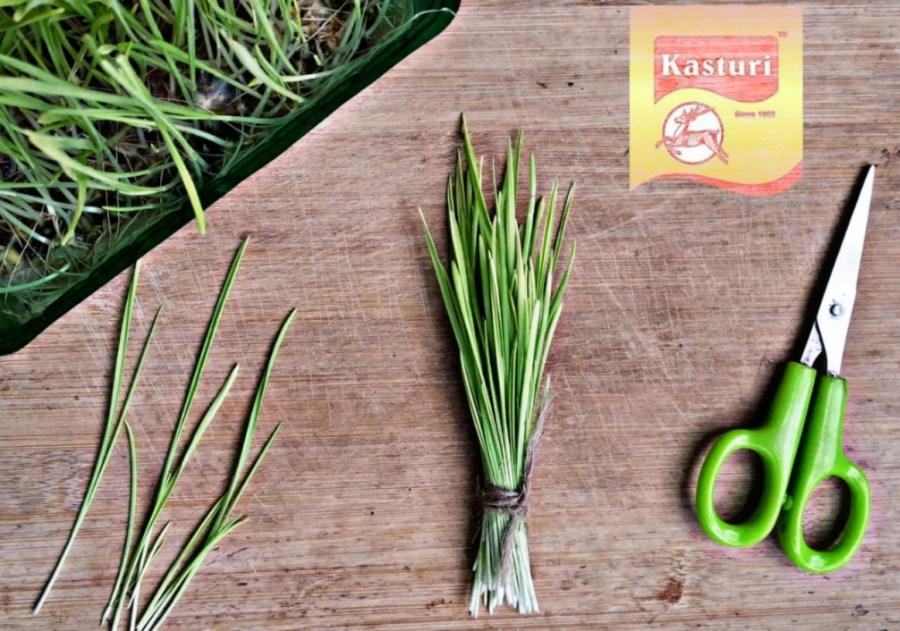
For more details on how you can use Wheat grass, stay tuned!!
 KASTURI