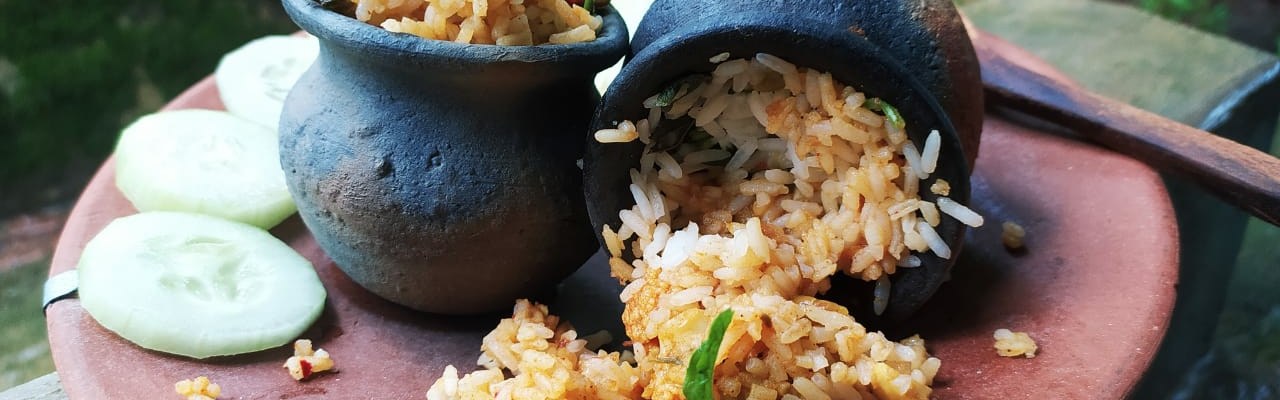
A sunny day or a breezy evening in your balcony with a hot matka chai (tea served in a clay cup) is a blissful experience for all those who ever had a chance to sip the beverage while enjoying the earthy flavor and aroma emanating the container.
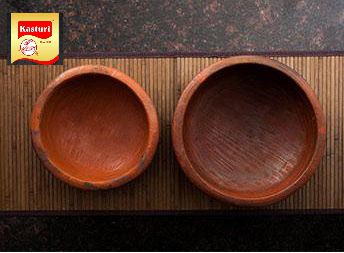
Khullad wala chai or Matka chai as it is commonly addressed as by tea lovers, is a clever mix of science and the concept of frugality that Indians have practiced in cooking since time immemorial. If you notice closely, the science and frugality factor here refers to the usage of earthen cup to serve tea and enhance its flavor with the earthy essence of the container. In today’s world, with microwave-safe bowls and containers taking over the traditional kitchen ware, cooking an entire dish from the scratch in earthenware to relish flavorful food would be a sort of an experiment that is worth trying.
Conversely speaking, despite the trends that advocate a short-cut approach to cooking, storing and maintaining food to the urban crowd, Earthenware manages to remain a commonplace in most traditional households in India and is extensively used during festivals. Pongal (rice dish) down south, Bhappa Dohi(Indian flavored Yoghurt) from the East, Phodnicha Bhat (Maharashtrian flavored rice) from the West and Kashmiri Matka dum Biryani (flavored pot rice) from the North are a few famous “pot dishes” from India. In addition, one would often come across earthen pots and pans being a part of the décor and props in cooking shows and high-end restaurants to add a rustic and homely appeal. To understand why it still remains a favorite for few, it is a must to know the simple science behind using clay and earthen wares to store and cook food.
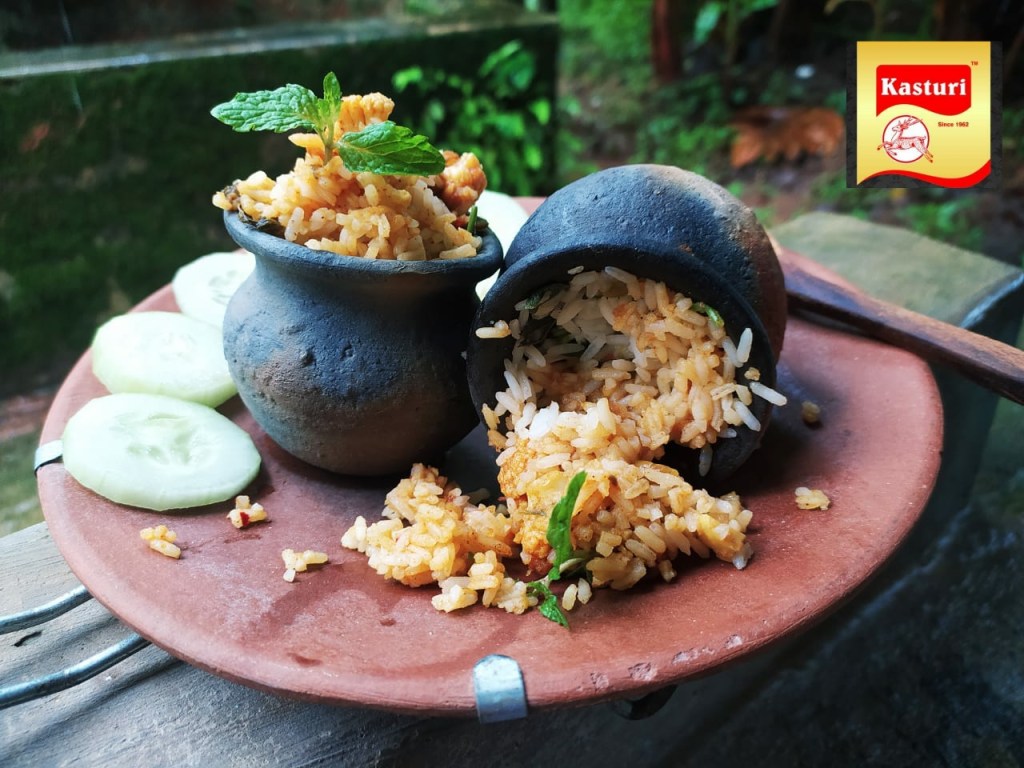
Earthenware also implements the science of slow cooking thereby allowing the dish to absorb all the flavors of the blend of spices. To view and purchase Kasturi’s collection of spices, hop over to: KASTURI SPICES
Ancient Beliefs Support Intake of Earth
In the ancient times, the scholars and doctors relied on belief that that the human body is made of five elements, earth, fire, wind, water and ether; Earth is considered to be the major component as most of the living beings dwell on it. Therefore a small percentage of it when consumed with food (as flavor) was discovered to have positive benefits on health and also aid digestion.
Clay Pots and Earthenware are Good Insulators
Clay being an insulator helps maintain the temperature of the food when stored in it for a long time. Hot food remains hot and fluids in cold temperatures stay pleasantly cool even during hot seasons. However it is advisable to heat earthenware at medium flame while cooking to prevent cracking.
Maintains pH Balance
The alkaline nature of clay aids in reducing the acidic pH level of food, making it more stomach friendly.
Better than Non-stick pots
In contrast to the toxic and cancer-causing substances released by non-stick pans, earthenware lend flavor and taste to the food thereby making it harmless to the body.
Highly Natural and Biodegradable
Earthenware and clay utensils are completely eco-friendly and biodegradable. When disposed, it wouldn’t harm the environment and blends into the soil, saving the trouble of filtering and sorting out processes that are generally practiced while recycling toxic, manmade products.
Easy to Maintain:
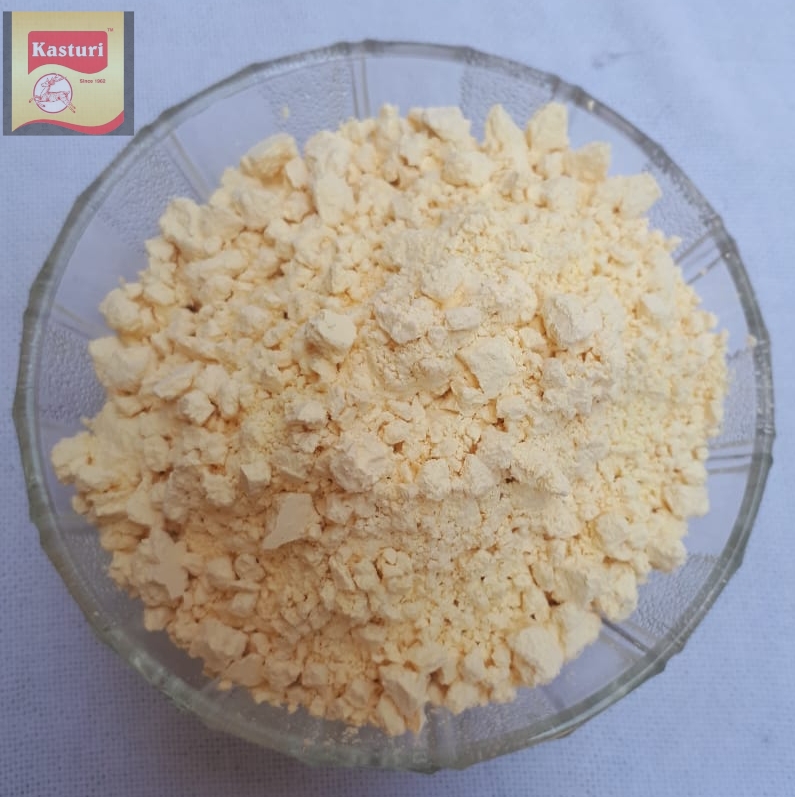
Owing to its porous nature, earthenware tends to retain scents and are easy to maintain. It is not advisable to use harsh dish wash liquids for cleaning these. In place of a mild soap, a little bit of Kasturi Besan (gram flour) can be used to wash earthenware to keep it squeaky clean.
What Can Be Cooked:
You can cook an array of dishes in earthenware. The entire range of Kasturi Pulses can be cooked to make very nutritious and delicious dishes like Chole Masala, Rajma, Dal Tadka, etc.
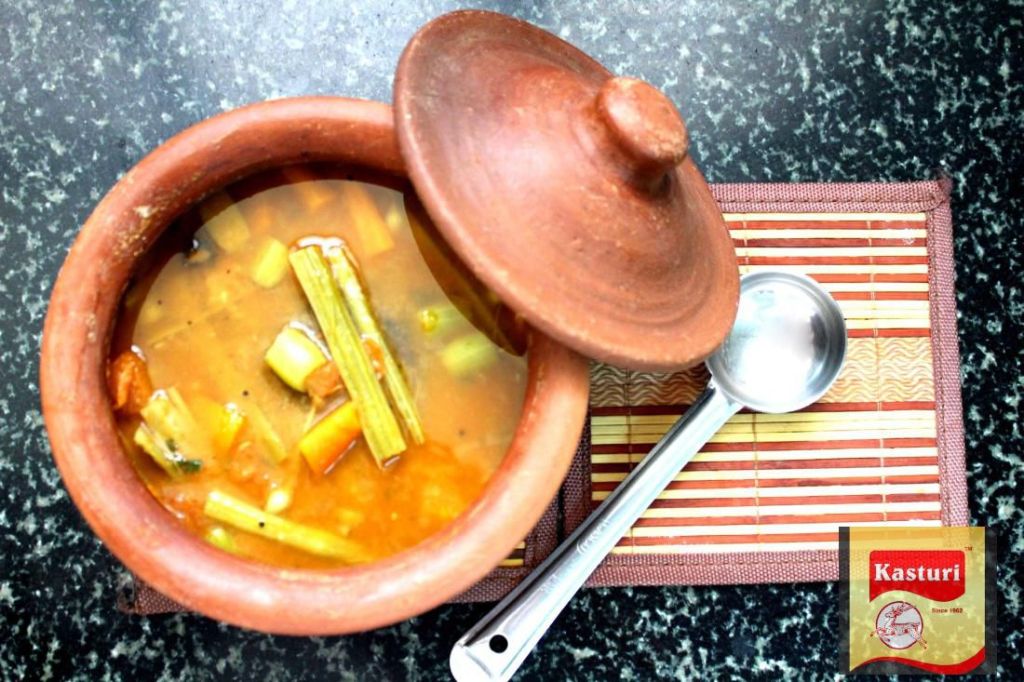
If you plan to give this a try, you could even begin with the humble Sambar!!
 KASTURI